Investing in an Initial Public Offering (IPO) can be exciting. It’s your chance to invest in a company at the very beginning of its journey in the stock market. However, IPO bidding can seem confusing—especially for first-time investors.
In this guide, we’ll break down everything you need to know about IPO bidding in simple terms.
What is an IPO?
An Initial Public Offering (IPO) is the process through which a private company offers its shares to the public for the first time. It allows the company to raise capital from a wide pool of investors and provides early investors, founders, and employees an opportunity to partially cash out.
Once the IPO is complete and the company lists on a stock exchange, its shares begin trading in the secondary market.
What Is IPO Bidding?
IPO bidding is the process by which investors apply to purchase shares in an IPO before the company gets listed on the stock exchange.
During the IPO subscription period (usually 3–5 days), investors can place bids for shares within a specified price range.
Types of IPOs
There are generally two types of IPO pricing methods:
1. Fixed Price IPO
- The company sets a fixed price for the shares.
- Investors know the exact price before applying.
- You apply at the given price.
2. Book Building IPO (Most Common)
- The company provides a price band (e.g., ₹100–₹120).
- Investors bid within that range.
- The final price (called the cut-off price) is decided based on demand.
What Is Lot Size in an IPO?
You cannot buy just 1 share in an IPO. Shares are offered in lots.
For example:
- Lot size: 100 shares
- Price band: ₹100–₹120
- Minimum investment: 100 × ₹120 = ₹12,000
You must apply for at least one lot and in multiples of the lot size.
What Is the Cut-Off Price?
In book-building IPOs, the cut-off price is the final issue price determined after analyzing all bids.
Retail investors have the option to select “Cut-off” while applying. This means:
- You agree to buy the shares at whatever final price is decided.
- It increases your chances of allotment if the IPO is oversubscribed.
What Is IPO Subscription?
Subscription refers to how many times the IPO is subscribed compared to the number of shares available.
For example:
- If 1 million shares are offered
- Investors apply for 5 million shares
- The IPO is 5x subscribed
Higher subscription usually indicates strong demand.
How IPO Allotment Works
If an IPO is oversubscribed, not everyone gets shares.
For Retail Investors:
- Allotment is usually done via a lottery system.
- One lot per successful applicant (in many cases).
- The goal is to distribute shares fairly.
If Undersubscribed:
- All valid applicants get shares.
- Extra shares may be distributed proportionally.
How to Apply for an IPO
You can apply through:
1. ASBA (Application Supported by Blocked Amount)
- Available via net banking.
- Money remains blocked in your account.
- Funds are debited only if shares are allotted.
2. UPI via Broker Apps
- Popular method for retail investors.
- Apply through your trading app.
- Approve UPI mandate.
- Amount gets blocked until allotment.
Important Dates in an IPO
Here’s the typical IPO timeline:
- IPO Opens
- IPO Closes
- Allotment Finalization
- Refund/Unblock of Funds
- Listing Date
On listing day, shares start trading on the stock exchange.
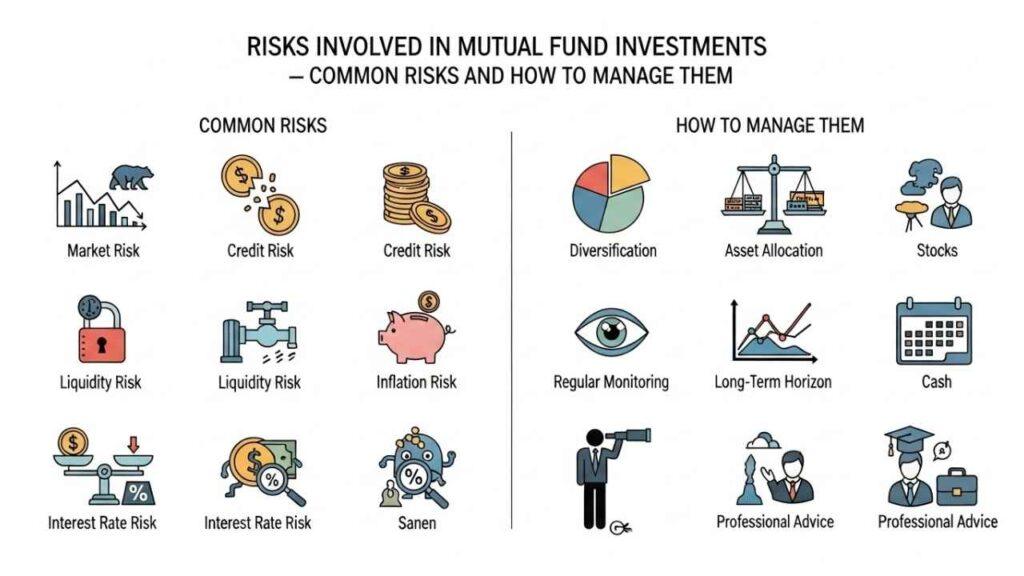
Risks Involved in IPO Bidding
While IPOs can offer good returns, they carry risks:
- Listing price may fall below issue price
- Overhyped IPOs may underperform
- Limited historical data on company performance
- Market volatility
Always read the Red Herring Prospectus (RHP) before investing.
Tips for Successful IPO Bidding
Here are some practical tips:
- Research the company’s fundamentals
- Compare valuation with industry peers
- Check subscription levels (especially QIB demand)
- Apply at cut-off price (for retail investors)
- Avoid investing solely based on hype
- Diversify your investments
IPO Listing Gains vs Long-Term Investment
Investors usually have two strategies:
1. Listing Gains
- Sell shares on listing day.
- Aim to profit from listing premium.
2. Long-Term Holding
- Invest in fundamentally strong companies.
- Hold for years for wealth creation.
Choose based on your risk appetite and financial goals.
Frequently Asked Questions (FAQs)
1. Can I apply for multiple IPOs at once?
Yes, if you have sufficient funds.
2. Can I apply from multiple accounts?
Yes, but each application must have a unique PAN.
3. What happens if I don’t get allotment?
Your blocked amount is released.
4. Is IPO investing safe?
It depends on the company and market conditions. IPOs carry risk like any equity investment.
Final Thoughts
IPO bidding is not complicated once you understand the process. It involves selecting the right company, bidding at the correct price, and being aware of the risks.
While IPOs can offer attractive returns, they should be approached with research and discipline—not emotion.
Before investing, always evaluate:
- Company fundamentals
- Valuation
- Market conditions
- Your financial goals
With the right approach, IPO bidding can become a valuable part of your investment strategy.
Disclaimer: This article is for educational purposes only and should not be considered financial advice. Always consult a financial advisor before investing.